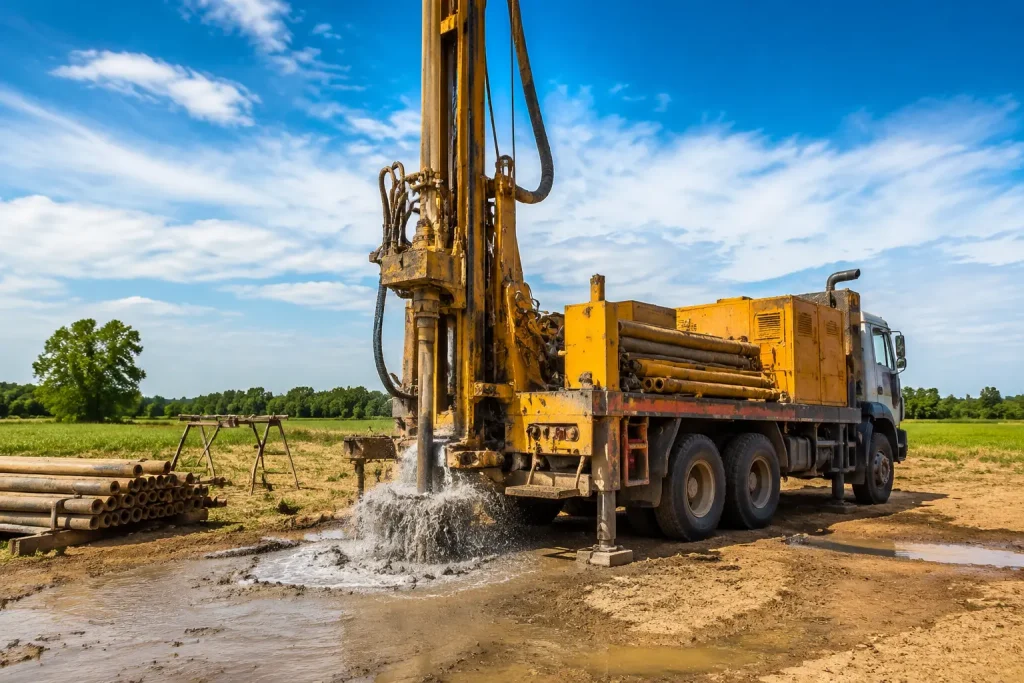
Water Well Drilling Costs – What You Need to Know Before You Drill
Drilling a water well is one of the largest investments involved in developing a rural property, farm, ranch, irrigation system, or commercial site. The final cost depends on many factors, including depth, geology, drilling method, casing requirements, pump equipment, testing requirements, permits, and property conditions.
WaterFind USA helps property owners gather groundwater information before drilling so they can better understand possible conditions before making a major investment.
The water well drilling cost depends on the casing diameter, well depth, ground conditions, and current drilling rates. Prices continue to increase, so it is important to request an updated estimate before starting your project.
A 6-inch casing is the standard size for most domestic wells in Canada. Drilling costs typically range from $75 to $155 per foot for a standard 6-inch casing. However, the total project cost may increase depending on the materials, equipment, and services required.
Plan Before You Drill
Drilling a water well is a long-term investment. Many property owners hesitate because they do not know if groundwater is available or how deep the aquifer may be. WaterFind helps reduce uncertainty by estimating aquifer depth and potential water yield before drilling begins. Our advanced groundwater survey helps you make an informed decision and choose the best location for your water well. We have regular service runs throughout British Columbia and Alberta. WaterFind can travel to almost any location with enough advance notice to schedule your survey. Whether you need a high-production irrigation well or a domestic well for your acreage, our team is ready to help.
Additional Drilling Costs
The quoted drilling price may not include every expense. Additional charges may apply for:
- Annular seal
- Pitless adapter
- Stainless steel screen
- Pump testing
- Well development to improve yield and clean the water-producing zone
- Drive shoe
If the well is productive, you will also need a trench for the waterline and electrical service. A properly sized water pump must be installed based on the well depth and expected gallons per minute (GPM).
If drilling finds a low-producing water zone, you may need a storage cistern to maintain a reliable water supply. A cistern can cost $2,000 or more, depending on its size and installation requirements.
Most drilling contractors also have a minimum drilling charge. A common minimum is around 100 feet, which would cost approximately $7,500 at $75 per foot before additional equipment or installation costs.
Why Water Well Drilling Costs Vary
A water well project does not have one universal price.
Two nearby properties may have different costs because underground conditions, required depth, water demand, access, and construction requirements can vary.
A complete water well project may include:
– Borehole construction
– Casing
– Well development
– Pump installation
– Pressure equipment
– Testing
How Much Does a Water Well Cost?
The cost of drilling a water well depends on the specific property.
A lower-cost project may involve favorable geology, shallow drilling, easy access, and simple completion requirements.
A higher-cost project may involve deep drilling, hard rock, difficult access, additional casing, or larger pump requirements.
An accurate estimate requires property-specific information and evaluation by the drilling contractor.
Main Factors That Affect Water Well Drilling Costs
The biggest cost factors include:
– Well depth
– Geological conditions
– Drilling method
– Casing requirements
– Well screen requirements
– Pump system
– Site access
– Permits and testing
Well Depth
Depth is one of the biggest cost factors. Deeper wells usually require more drilling time, materials, and equipment operation.
However, deeper does not automatically mean better. The productivity of the groundwater formation matters more than depth alone.
Geological Conditions
The material underground strongly affects drilling difficulty and cost. Different formations such as sand, gravel, clay, limestone, granite, and fractured rock may require different drilling approaches.
Drilling Method
Different formations require different drilling techniques. Common methods include air rotary drilling, direct rotary drilling, and cable tool drilling. The correct method depends on geology and contractor experience.
Links:
Air Rotary: /air-drilling/
Direct Rotary: /direct-rotary-drilling/
Cable Tool: /cable-tool-drilling/
Water Well Drilling Cost Per Foot Explained
Many contractors discuss pricing by the foot.
However, cost per foot does not always represent the complete project cost.
Additional costs may include:
– Casing
– Pump
– Pressure tank
– Electrical work
– Testing
– Permits
– Development
– Water treatment
Why Evaluate Before Spending Money on Drilling?
Before investing in drilling, property owners may benefit from understanding the property and comparing possible drilling locations.
A groundwater site assessment may help:
– Compare possible drilling locations
– Review nearby well information
– Understand possible groundwater conditions
– Prepare better questions for contractors
A survey does not guarantee a successful well. It provides additional information before drilling begins.
Hidden Costs Property Owners Should Consider
Important costs that may be overlooked include:
– Permits
– Pump installation
– Electrical work
– Water testing
– Treatment systems
– Difficult access
– Site preparation
Groundwater Survey Cost vs Water Well Drilling Cost
Groundwater assessment and drilling are separate services.
WaterFind USA provides pre-drilling groundwater information, survey data, and possible drilling-location evaluation.
The drilling contractor is responsible for:
– Borehole construction
– Casing
– Well completion
– Pump installation
– Testing
Water Well Costs by Project Type
Residential wells, farm wells, livestock wells, irrigation wells, and commercial wells may have different requirements and cost considerations.
Choosing a Water Well Contractor
When comparing contractors, consider:
– Licensing
– Experience with local geology
– Written estimates
– Available drilling methods
– Completion procedures
– Testing process
– References
The lowest quote is not always the best long-term value.
Frequently Asked Questions
How much does it cost to drill a water well?
The cost of drilling a water well depends on several factors, including well depth, geology, drilling method, materials, equipment requirements, and completion needs. Each property has different conditions that can affect the final project cost.
Does WaterFind drill water wells or include drilling in the survey cost?
No. WaterFind provides groundwater site assessment services to help property owners evaluate possible drilling locations before construction. The actual water well drilling, construction, and completion are performed by a qualified drilling contractor. Groundwater surveys and drilling are separate services.
Why do water well drilling costs vary between properties?
Water well drilling quotes can vary because each property has different underground conditions, access requirements, depth requirements, and construction needs. Factors such as geology, drilling method, casing, and equipment can influence the overall cost.
Can a groundwater survey guarantee a successful water well?
No. A groundwater survey provides information to support planning and help compare possible drilling locations. Actual groundwater conditions, well production, and final performance are confirmed through drilling, well development, and testing.
FIND US NOW!
We are based in Peris Valley, California. Email us today to discuss your project, request a customized estimate, and received a DocuSign Service Agreement to get started.
Toll-Free: +1 (877) 388-7388
Canadian Cell : +1 (403) 845-6676
Email: waterfind333@gmail.com